
Walk After Meals
AT A GLANCE
Walking after meals improves blood sugar control, enhances digestion, and reduces insulin spikes. Even short, low-intensity movement activates large muscle groups that absorb glucose directly from the bloodstream, making it one of the most effective and accessible daily habits for metabolic health.

WHY WHAT YOU DO AFTER YOU EAT MATTERS
“You’re eating like this is your last meal.”
Most people treat the end of a meal as the end of the process. From a biological standpoint, that’s when the process actually begins.
After eating, blood glucose rises and insulin is released to manage it. If the body remains inactive, that system relies entirely on storage pathways. Over time, this reinforces the same pattern: eat, spike, store.
Sitting immediately after a meal allows that cycle to continue without interruption.
HOW MOVEMENT CHANGES THE OUTCOME
The body has a second mechanism available — muscle activity.
When you move after eating, even at a low intensity, your muscles begin using circulating glucose directly. This reduces the demand for insulin and limits the spike that would otherwise occur.
The effect is immediate and mechanical:
- Glucose is used instead of stored
- Blood sugar stabilizes more quickly
- Energy is distributed instead of concentrated
- This is why timing matters more than intensity.
WHY IT DOESN’T NEED TO BE COMPLICATED
“You got time to eat, you got time to move.”
The effectiveness of this habit comes from consistency, not effort.
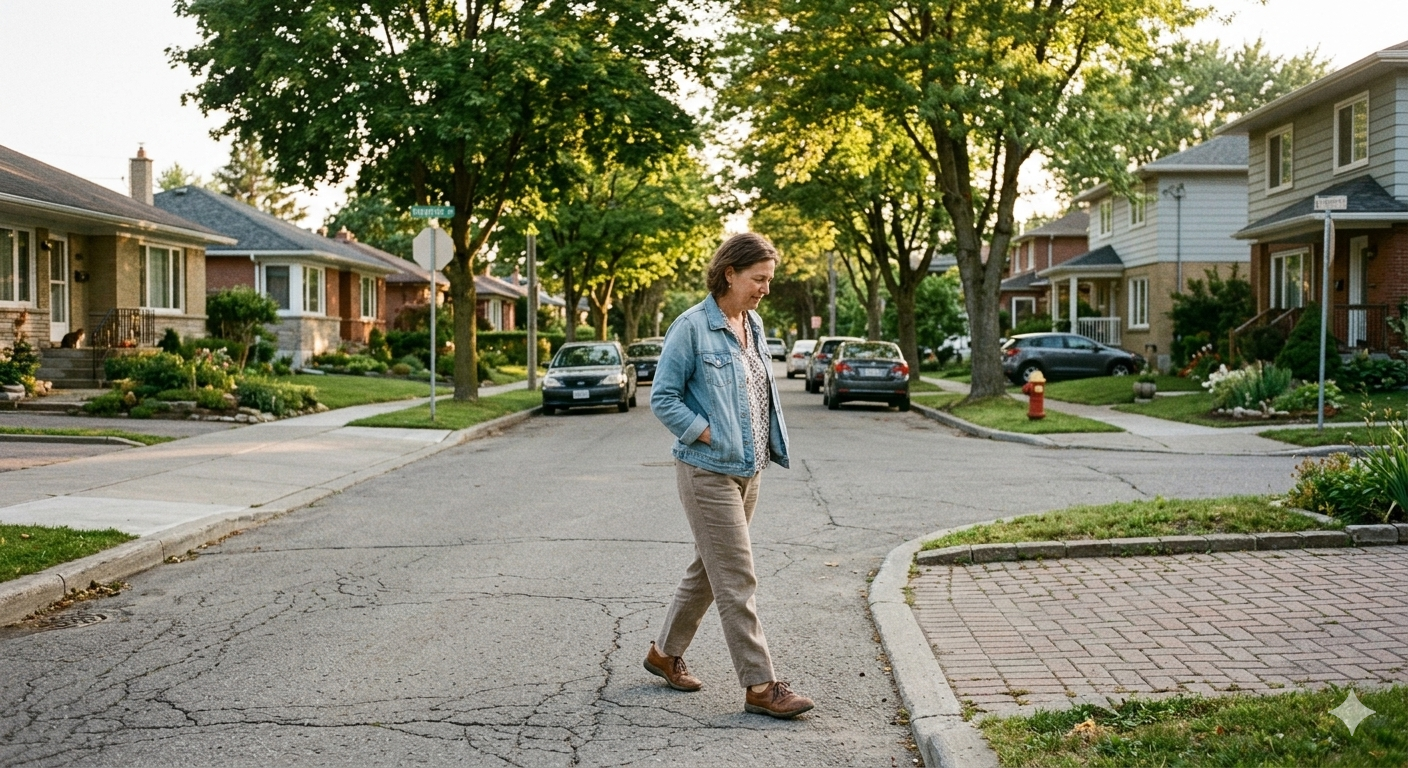
A short walk, light movement around the house, or simply staying on your feet for a few minutes changes the metabolic direction of the meal. It interrupts the default pattern and replaces it with a more efficient one.
This is not exercise in the traditional sense. It is a correction to what happens after eating.

WHY THIS BUILDS OVER TIME
When repeated daily, this small adjustment reshapes how the body handles food.
Blood sugar becomes more stable.
Cravings later in the day are reduced.
Energy levels even out.
Instead of reacting to meals, the body begins managing them more effectively.
KEY TAKEAWAY
The meal doesn’t end when you stop eating.
Move after eating and change what happens next.
------------------------------------------------------------------------------------------------------------------
Medical Disclaimer: The information provided in this blog, including all text, graphics, and images, is for educational and informational purposes only. The content is not intended to be a substitute for professional medical advice, diagnosis, or treatment. Always seek the advice of your physician or other qualified health provider with any questions you may have regarding a medical condition. Never disregard professional medical advice or delay in seeking it because of something you have read on this blog.
