


Dr. Now’s Health Tips are built to guide you through the everyday decisions that shape your weight, wellness and quality of life. Clear steps, honest advice, and real strategies from a doctor who has spent over 40 years helping patients change their lives. Stay consistent, stay accountable, and stay on track.

FOOD
Eating slowly gives your body time to
activate the satiety hormones that prevent overeating. Dr. Now explains that when you rush through a meal, your stomach hasn’t released the chemical signals your brain depends on to sense fullness. That delay means you keep eating long after your body has had enough, creating calorie overload without added satisfaction. Slow eating also stabilizes blood sugar, reduces insulin spikes, and improves digestion. By chewing thoroughly, pausing between bites, and taking at least 20 minutes per meal, you naturally reduce intake without feeling deprived. Slow eating isn’t about discipline — it’s about letting
biology do its job.
When you eat with your attention pulled away — TV, scrolling, email — the brain doesn’t fully register the sensory experience of eating. Dr. Now calls this “passive overeating,” where food is consumed without awareness, satiety hormones are delayed, and portion size expands almost automatically. Distraction also speeds up eating and interferes with the stretch receptors in the stomach that tell you to stop. Eating without screens reconnects your brain and stomach, slows your pace, and enhances satisfaction. With fewer distractions, you naturally choose smaller
portions and stop eating when you’re actually full — not when the show ends.
Portion size is influenced heavily by
visual perception. Dr. Now explains that a moderate portion looks insufficient on a large plate, triggering “compensatory loading,” where people add more food
simply because the plate looks empty. Smaller plates create the illusion of abundance, helping your brain interpret normal portions as satisfying and whole. This reduces calorie intake without forcing restriction because you’re eating the same food — just framed differently. It’s one of the simplest environmental shifts that retrains your appetite and reduces overeating
automatically.

DRINK
Liquid sugar is one of the fastest
ways to gain weight because it bypasses the body’s natural fullness mechanisms. Dr. Now explains that drinks like soda, sweet tea, juice, sports drinks, and flavored coffees hit your bloodstream rapidly, causing a sharp spike in glucose and insulin. Since liquid calories don’t activate stretch receptors in the stomach, they provide no fullness — so you consume your usual meals plus hundreds of extra calories. These insulin surges also lead to energy crashes and further cravings. Cutting liquid calories is often the quickest early win
for weight loss, dramatically lowering daily caloric load while stabilizing hunger hormones.
Smoothies are often “health food
disguises” — packed with multiple servings of fruit, juice, sweetened yogurt and high-sugar powders. Dr. Now explains that blending removes the natural fiber structure, causing fruit sugars to absorb rapidly and spike blood glucose. Many commercial smoothies exceed 400–700 calories without any real fullness. A proper smoothie should place protein first, then greens, then a
carefully measured amount of fruit. Avoid juice bases entirely. When constructed this way, smoothies fuel your body rather than sabotaging it with hidden sugar loads.
Protein shakes can either support
weight loss or sabotage it. Dr. Now highlights that many commercial shakes
marketed as “healthy” are loaded with sugars, syrups, maltodextrin, or fruit
concentrates — causing insulin spikes and sugar crashes that drive cravings. A proper shake should contain high-quality protein (20–30 grams), minima carbohydrates, and no added sugars. Clean shakes help control hunger and preserve muscle mass; sugary ones behave like dessert disguised as nutrition. Labels matter — read them carefully.

NUTRITION
Healthy fats are important, but Dr.
Now warns that oils are one of the easiest ways to accidentally add hundreds of
calories to a meal. Oil pours quickly, coats food invisibly, and doesn’t activate fullness signals, so the body barely registers it. A few extra seconds of pouring can double your intended amount. Dr. Now recommends always measuring oils with a teaspoon or tablespoon to prevent “hidden calories” from sabotaging progress. You still get the flavor and health benefits — without the silent calorie overload.
Nut butters contain healthy fats and
protein, but they’re deceptively easy to overeat because they’re smooth, hyper-palatable, and calorie-dense. A heaping spoonful can contain 150–200+ calories — and most people don’t stop at one. Dr. Now cautions that nut butters activate the brain’s reward pathways, encouraging extra bites without satiety. A measured teaspoon adds nutrition without derailing calories. Without
measuring, that “healthy snack” becomes a binge in disguise.
Avocados offer fiber and healthy fats,
but Dr. Now emphasizes that they also contain 250–300 calories each. Because of their creamy texture and mild flavor, they’re easy to overuse — in slices, spreads, bowls, salads, and sandwiches. Even healthy fats contribute heavily to total intake if portions aren’t controlled. A half avocado provides
the nutrients you need without tipping your meal into calorie excess. In weight loss, “healthy” must still be intentional.

BEHAVIOUR
Emotional cravings hit fast because
they originate from stress hormones and dopamine surges — not physical hunger. Dr. Now teaches that a 10-minute pause interrupts the craving cycle and allows stress chemistry to settle. During that time, hydration, movement, or deep breathing helps re-engage your rational decision-making. Most cravings weaken or disappear by the end of the delay. This one technique prevents countless episodes of emotional overeating and restores your sense of control.
True hunger rises gradually, creates a
hollow stomach sensation, and can be satisfied by simple foods. Cravings arrive
suddenly, feel urgent, and usually target specific “comfort foods.” Dr. Now emphasizes that learning to recognize these differences is one of the most powerful tools for avoiding unnecessary eating. When you name it — “this is a craving, not hunger” — you create space to choose a healthier response, such as delay, hydration, or movement. It rewires emotional eating patterns at the root.
Stress triggers cortisol, and cortisol
tells your brain to seek quick energy — usually sugary or high-fat food. Dr. Now explains that this creates a loop where eating briefly numbs the stress but adds guilt, inflammation, and unstable blood sugar, which makes you feel more stressed afterward. Over time, your brain learns to associate every emotional spike with food. Breaking this pattern requires a replacement behavior: deep breathing, hydration, stretching, stepping outside, or walking. These actions lower cortisol and give your rational thinking a chance to return. When stress no longer automatically leads to eating, you regain control over your habits — and your progress.

EXERCISE
Walking after meals enhances blood sugar control by activating large muscle groups that absorb glucose directly from the bloodstream. Dr. Now considers post-meal walking one of the most powerful metabolic tools because it reduces insulin spikes, improves digestion, and stabilizes hunger later in the day. Even gentle walking works — no speed required. This habit improves energy and reduces cravings while jump-starting fat-burning efficiency. Consistency matters more than intensity.
Your legs contain some of the largest
muscle groups in the body — and when they’re engaged regularly through walking,
they dramatically improve metabolic health. Dr. Now teaches that walking increases insulin sensitivity, strengthens cardiovascular function, reduces inflammation, and lowers stress hormones. It’s accessible, low-impact, requires no equipment, and has one of the highest adherence rates of any form of exercise. For most people beginning a health journey, walking is not just enough — it’s ideal.
Dr. Now teaches that daily movement
doesn’t have to be long or intense to be effective. Three 10-minute walks — morning, afternoon, evening — provide nearly identical metabolic benefits to a
single 30-minute session. These short intervals help regulate blood sugar after
meals, reduce inflammation, and prevent long sedentary stretches that slow metabolism. Breaking activity into manageable segments removes the psychological barrier of “I don’t have time,” making exercise achievable even on busy days. Small, frequent movement is more sustainable and effective than occasional big workouts.

Philosophy of Care
Dr. Nowzaradan believes every patient deserves respectful, high-quality care — no stigma, no judgment. Obesity is complex, but the approach to treating it must be clear: honest guidance, medical science, and consistent follow-through. Surgery is not the solution by itself; it’s the beginning of a structured, lifelong plan to regain control of your health.
Dr. Now blends tough love with real empathy, helping patients face the hard truths while giving them the tools to change. His program focuses on accountability, smart nutrition, and steady progress — not shortcuts. For more than 40 years, he has pioneered surgical techniques that make treatment possible for patients others considered “too high-risk,” raising the standard of bariatric care worldwide.
At its core, his philosophy is simple: when patients get the right support and the right plan, they can change their life—and he’s committed to helping them do exactly that.
"Remind yourself while motivating others..."
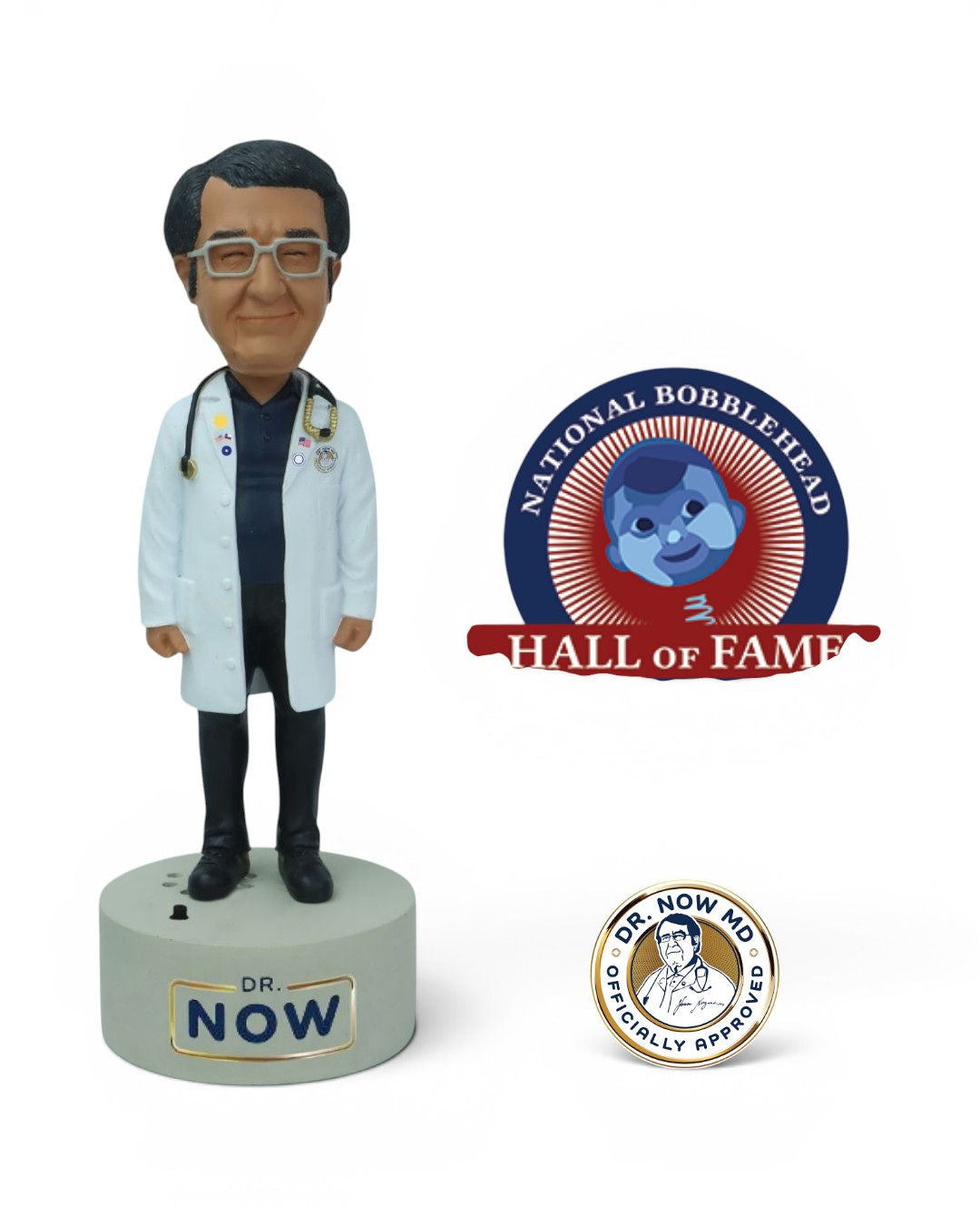
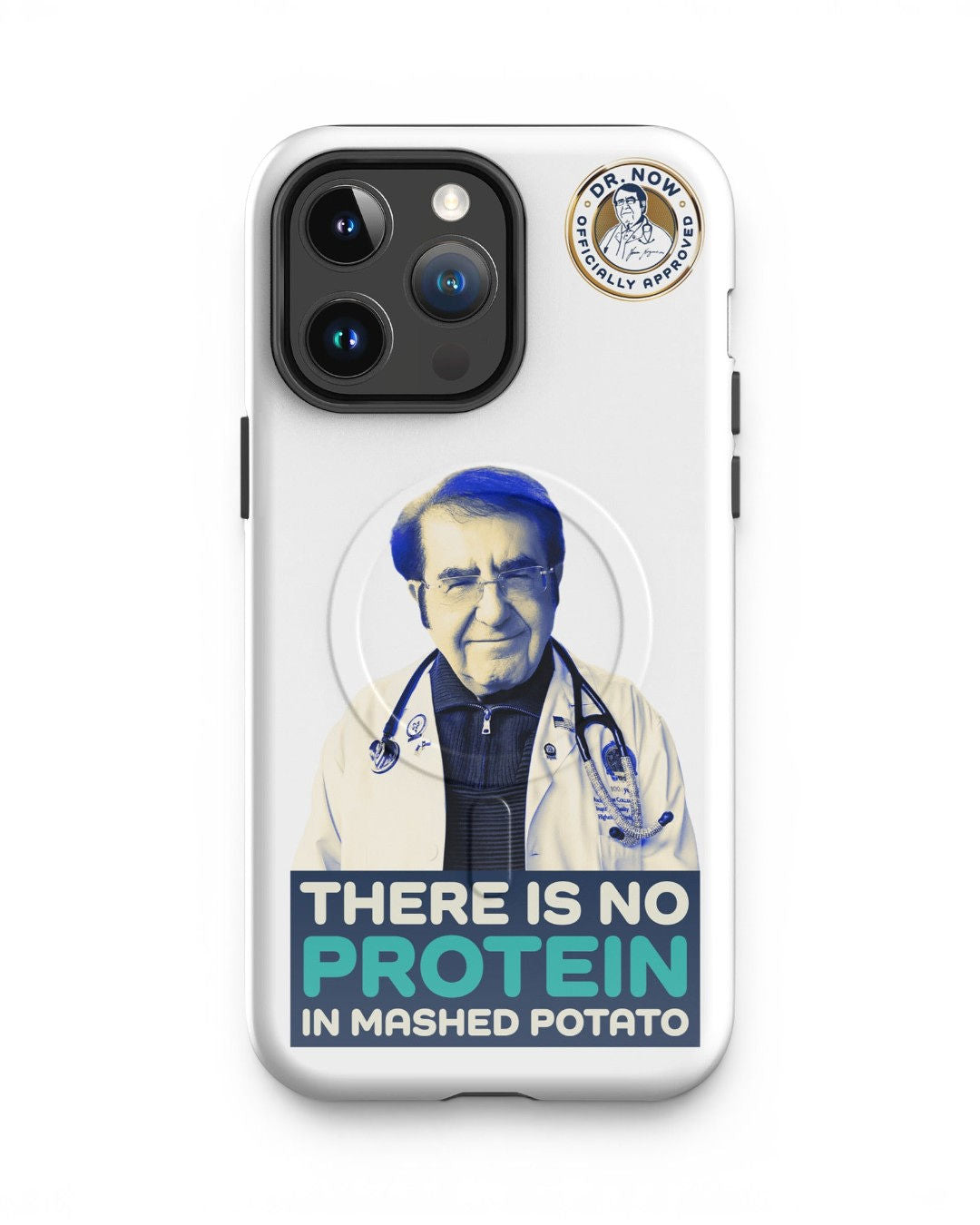
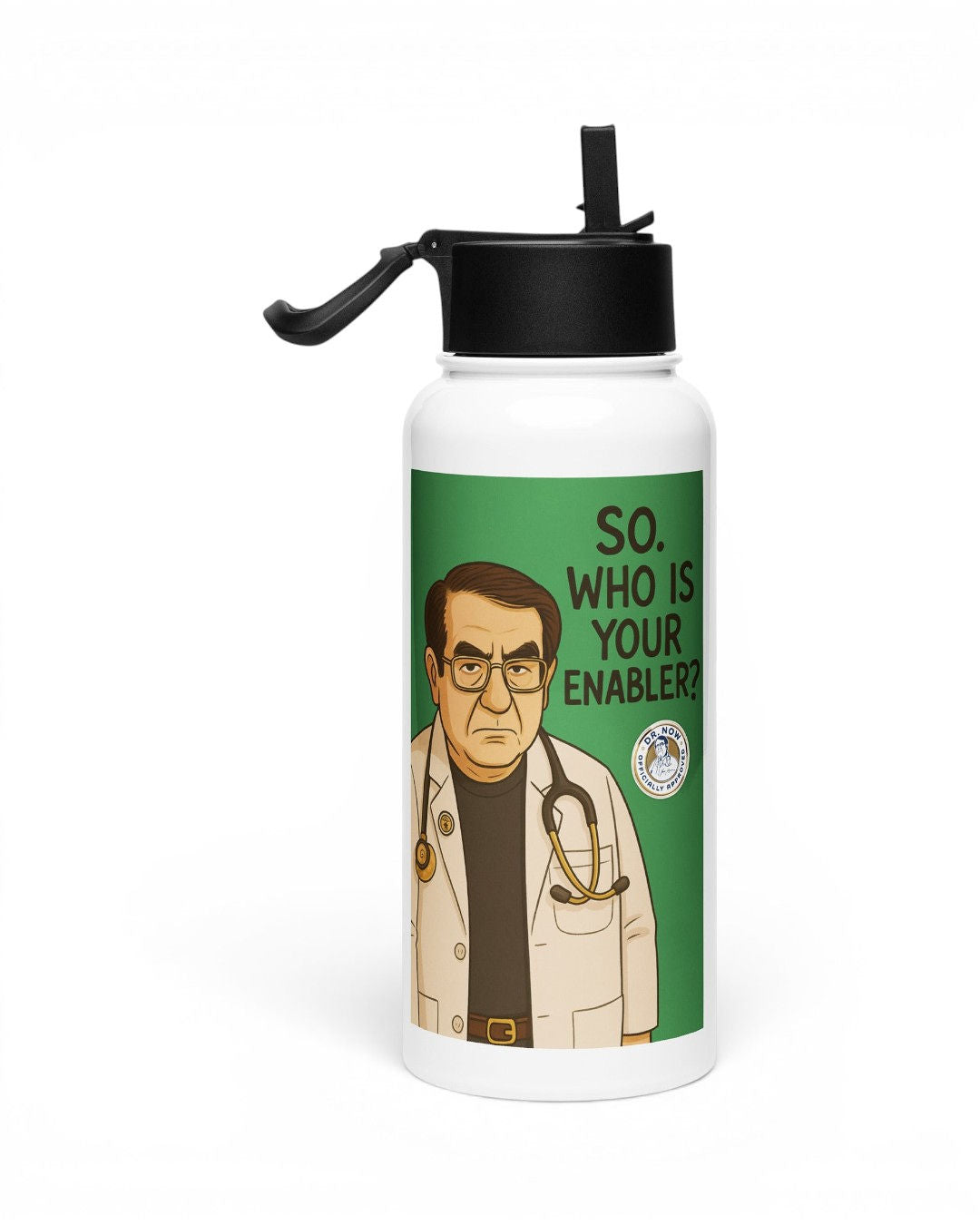
MAKE A STATEMENT WITH A PIECE OF DR. NOW'S NO NONSENSE WISDOM
This is Where Real Change Begins
It starts when you take responsibility for your choices and commit to changing them.