
Avoid Sugary Protein Shakes
AT A GLANCE
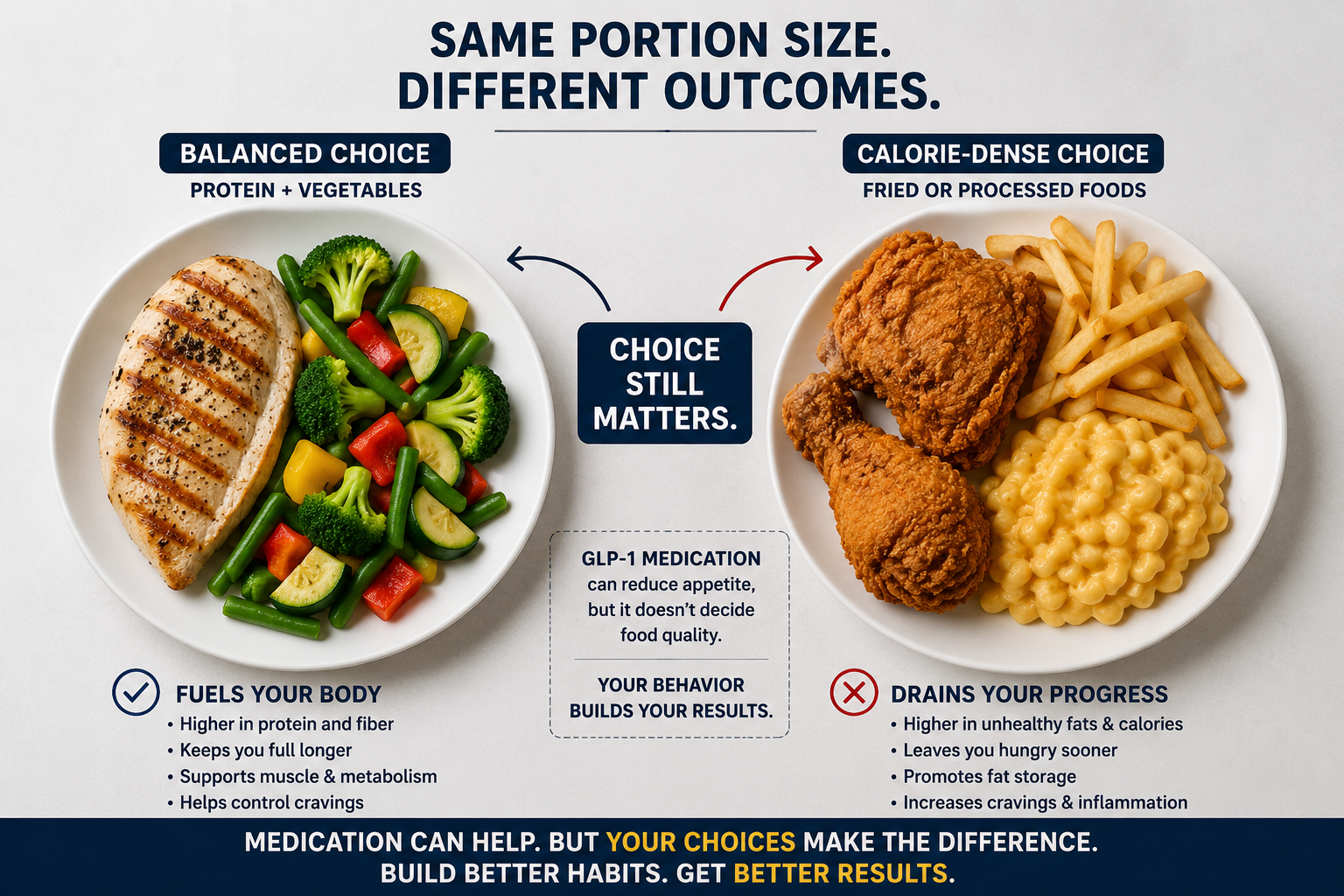
Many protein shakes marketed as healthy contain added sugars and fast-digesting carbohydrates. These ingredients undermine appetite control and promote cravings, making clean, low-carb protein essential for weight management.
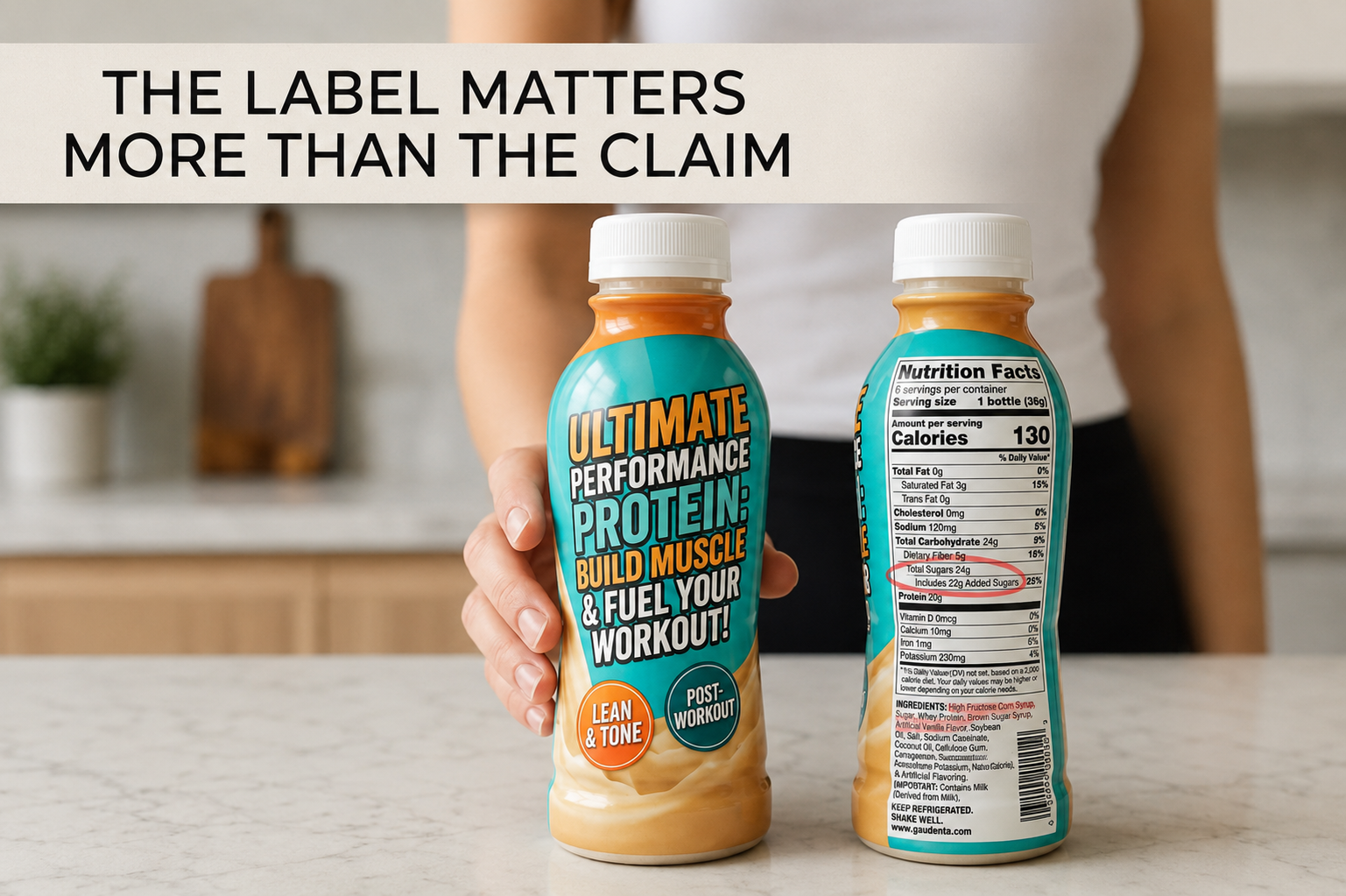
WHY THE LABEL MATTERS MORE THAN THE CLAIM
“You think you can blame your lack of progress on something else?”
Protein shakes are often positioned as a convenient, healthy option. However, the effectiveness of a shake depends entirely on its composition. Many commercial products include ingredients that contradict their intended purpose. Added sugars, syrups, and refined carbohydrates transform a protein supplement into a high-glycemic beverage.

WHEN PROTEIN STOPS WORKING
Protein plays a key role in appetite regulation by slowing digestion and promoting satiety. When combined with sugar, this effect is diminished or reversed.
Instead of stabilizing hunger, sugary protein shakes:
- Increase insulin response
- Trigger cravings
- Lead to earlier return of hunger.
At that point, the shake no longer supports weight loss — it interferes with it.

WHAT TO LOOK FOR INSTEAD
“There’s no magic pill I can give you to lose weight…you have to do the work.”
A properly formulated protein shake is simple and direct.
Key characteristics include:
- 20–30 grams of protein
- Minimal carbohydrates
- No added sugars
- Short, recognizable ingredient list.
Anything beyond that should be questioned.
WHY THIS DISTINCTION MATTERS
The difference between a clean and a sugary protein shake is not minor. It directly affects hunger, energy levels, and overall intake throughout the day.
Choosing the right formulation supports:
- Appetite control
- Consistent energy
- Sustainable weight loss.
Choosing the wrong one does the opposite.
KEY TAKEAWAY
- If the ingredients don’t support your goal, the product won’t either.
- Choose carefully, it makes a difference.
---------------------------------------------------------------------------------------------------------